The evolution of casinos tracing their historical roots and cultural significance
The concept of gambling can be traced back thousands of years, with evidence found in ancient civilizations such as Mesopotamia and China. Dice dating back to around 3000 BCE have been discovered, signifying that games of chance were integral to early societies. Gambling served as a form of entertainment, spiritual practice, and even a method of divining the future, reflecting its multifaceted role in human culture. For those interested in a modern gaming experience, signing up at https://ace4win-australia.com/registration/ offers an enticing entry into the world of online casinos.
As societies evolved, so did gambling’s social dynamics. In ancient Rome, for instance, citizens engaged in games of chance during festivals and public gatherings. These events helped foster community ties and served as a social equalizer, as both wealthy and poor participated. The integration of gambling into social structures demonstrated its significance beyond mere entertainment, positioning it as a cultural staple throughout history.
The transition to more organized forms of gambling began in the late Middle Ages, particularly in Europe, where the first gambling houses emerged. Known as ‘casinos,’ these establishments gained popularity among the aristocracy, ultimately leading to the development of refined gambling games like baccarat and roulette. This pivotal evolution set the foundation for modern casinos, transforming them into hubs of social interaction and leisure.
The 17th and 18th centuries marked a significant evolution in the casino landscape, particularly in Europe. The establishment of the Casino di Venezia in Italy in 1638 is often considered the first modern casino. It was designed for the elite, introducing the idea of a dedicated venue for gambling. Such establishments not only catered to high-stakes players but also influenced the development of casino architecture, decor, and hospitality, emphasizing luxury and exclusivity.
During this era, the French Revolution brought about drastic social changes, which paradoxically helped casinos flourish. The social upheaval resulted in the movement of aristocrats and affluent individuals to cities such as Monte Carlo, where casinos became synonymous with glamour and sophistication. The Monte Carlo Casino, opened in 1863, became a symbol of opulence, drawing in high-profile players and cementing the casino’s reputation as a staple of European high society.
Moreover, the 19th century witnessed the formalization of gambling regulations, setting the groundwork for responsible gaming practices. As casinos gained legitimacy, they became more integrated into the social fabric, fostering a culture of entertainment, luxury, and an element of risk that intrigued both locals and visitors. The evolution of casinos during this period showcased their significance not only as gambling venues but also as cultural institutions.
The American casino landscape began to take shape in the early 20th century, primarily through the establishment of gambling venues in cities like New Orleans and Atlantic City. Initially, these establishments catered to a diverse clientele, offering a mix of gambling and entertainment. However, the prohibition era in the 1920s created a unique opportunity for casinos to thrive in secrecy, leading to the emergence of underground gambling dens and speakeasies.
The post-World War II era marked the explosive growth of casinos in Las Vegas, Nevada. The city transformed from a sleepy desert town into a thriving gambling capital, attracting millions of visitors each year. The introduction of luxurious resorts and high-profile entertainment acts turned Las Vegas into a global symbol of hedonism and excess. This shift solidified casinos as not just places for gambling but complete entertainment complexes offering world-class dining, shows, and nightlife.
In recent decades, the casino boom has expanded beyond Las Vegas, with various states legalizing gambling to stimulate their economies. This trend has led to the development of large-scale casinos in locations such as Atlantic City, Chicago, and even tribal lands, showcasing the adaptability and cultural significance of casinos across the United States. The diverse gaming options and entertainment offerings have diversified the casino experience, catering to a wide array of preferences.
In contemporary society, casinos play a multifaceted role that goes beyond mere gambling. They serve as social hubs where individuals can gather, interact, and experience a sense of community. Events like poker tournaments and game nights foster connections among players, often cultivating friendships that extend beyond the gambling table. This sense of community is essential in today’s fast-paced world, where social interactions can often feel fleeting.
Moreover, casinos are increasingly recognized for their contributions to local economies. They create jobs, stimulate tourism, and generate substantial tax revenues for governments. Many cities have invested in casino development as a means to revitalize areas, leading to the emergence of entertainment districts that include restaurants, shops, and cultural attractions. Thus, casinos contribute not only to individual leisure but also to community growth and economic sustainability.
However, the cultural significance of casinos also raises concerns about responsible gambling and addiction. As awareness of these issues grows, many casinos have implemented programs promoting responsible gaming. Initiatives include self-exclusion programs and educational resources to support players and their families. This cultural evolution highlights a growing understanding of the need to balance entertainment with social responsibility, ensuring that casinos remain safe and welcoming spaces for everyone.
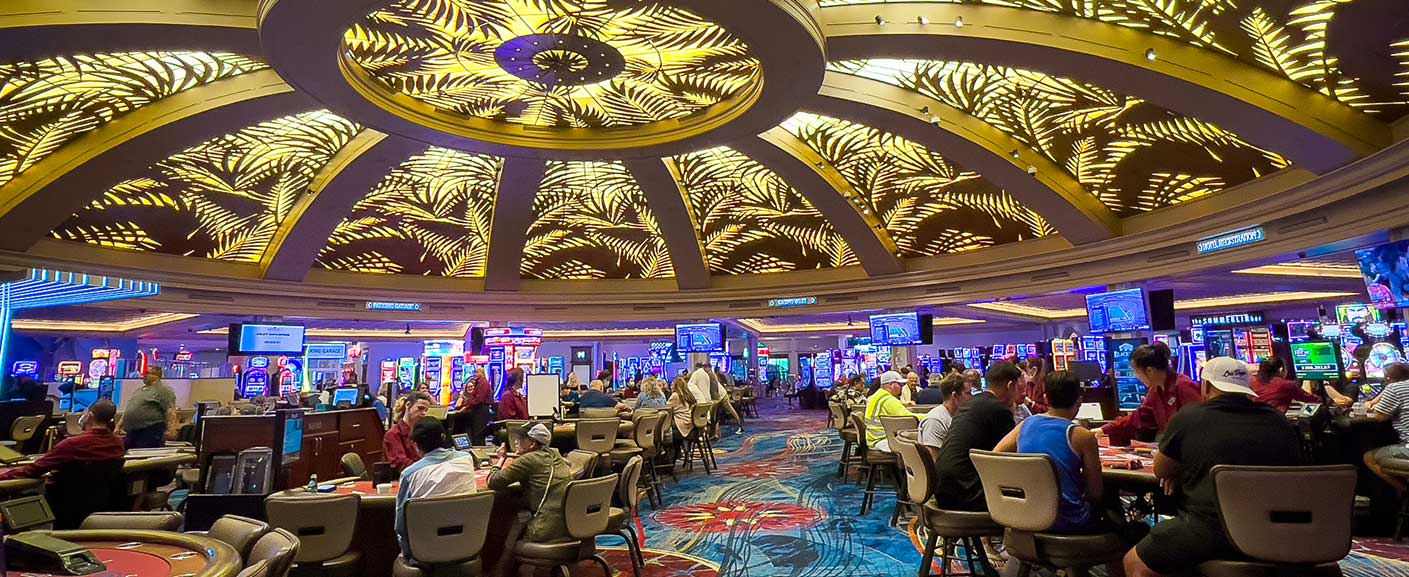
The advent of the internet has brought about a seismic shift in the casino landscape, leading to the rise of online gaming platforms. Websites dedicated to gambling offer players the convenience of enjoying their favorite games from the comfort of their homes. This transformation has expanded the accessibility of casino experiences, allowing individuals who may have never visited a physical casino to participate in high-stakes gambling.
Online casinos have also become synonymous with innovation, constantly adapting to technological advancements. Mobile gaming has made it possible for users to engage in gaming experiences on-the-go, while live dealer games offer an immersive experience that mimics traditional casinos. This blend of technology and tradition appeals to a broad demographic, bridging the gap between casual gamers and seasoned players.
Platforms like Ace4Win exemplify the modern online casino experience, offering a wide variety of games tailored to Australian players. With an emphasis on security, user-friendliness, and 24/7 customer support, these platforms provide an engaging environment for gamers. The evolution of online casinos marks a new chapter in the gambling narrative, showcasing their cultural significance in an increasingly digital world.
